


Typhoons in the Philippines: Which Months, and What Happens to Your Trip

Your flights to the Philippines are almost booked, and then the news shows another typhoon: flooded streets, cancelled flights, people stuck at the airport. So what are the Philippines typhoon season months, and how much could a storm mess up your holiday?
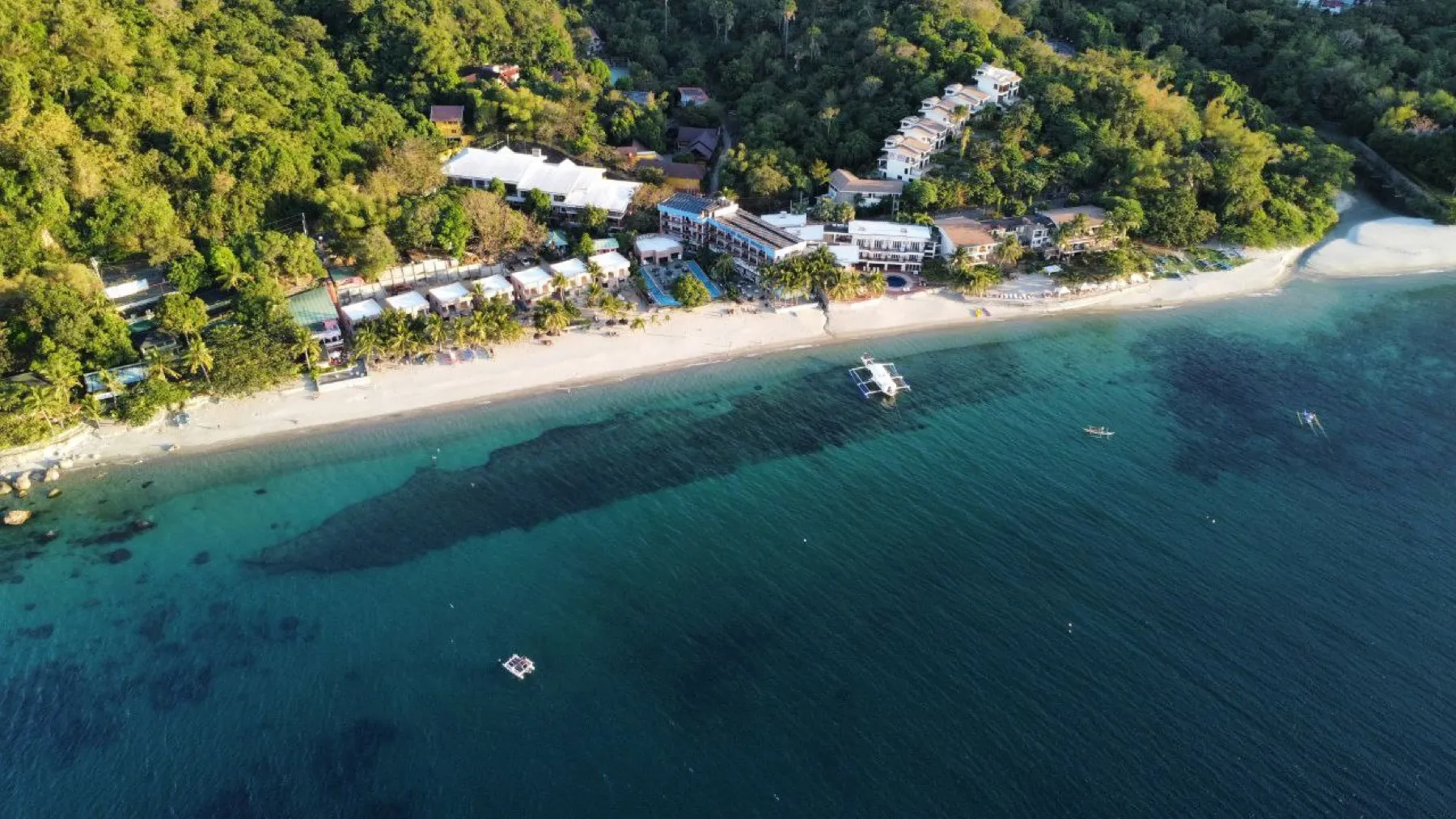
Typhoons can hit the Philippines at any time of year, but most come from July to October. PAGASA, the country's weather service, says those months bring almost 70% of typhoons 1. In an average year about 20 tropical cyclones enter the area PAGASA watches. "Tropical cyclone" covers every tropical storm, from a weak depression to a super typhoon. Only 8 or 9 of them cross the islands themselves 1. Deluna is a dive center in Puerto Galera, on the island of Mindoro, and in our experience typhoons rarely reach us here. What usually spoils a trip in these months is something smaller: a cancelled flight, a boat that stays in port, or a day with no diving.
Which months are the worst for typhoons in the Philippines?
July to September, with almost as many in October. PAGASA's long-term data shows an average of three to three and a half cyclones entering its watch area in each of July, August and September 2. October gets almost three, November two, December about one. May sees about one, June one and a half, and January to April less than one a month.
PAGASA's watch area is much bigger than the country itself and takes in a lot of open sea to the east of the islands 2. So when the news says "a cyclone has entered the PAGASA area", that doesn't mean it will reach the place you're heading to.
When does typhoon season in the Philippines end?
There's no fixed date. PAGASA calls July to October the peak of the season 1, and in the western Pacific, where typhoons come from, storms form all year round 2. After October there are fewer each month. In November, typhoon season in the Philippines isn't over yet: about two cyclones on average, fewer than in summer. December gets about one, and January to April has the fewest.
For what those months mean for rain, water temperature and diving, we have separate posts: The Philippines in October: Can You Dive, or Is It Still Rainy Season?, The Philippines in November: What's the Weather Like and Can You Dive? and The Philippines in December and January: Weather, Cooler Water and Holiday Crowds.
How many typhoons make landfall in the Philippines: the stats
Fewer than half. Of the twenty or so cyclones in a year, eight or nine cross the islands on average 1, and the rest stay out at sea.
In our experience typhoons rarely make it to Mindoro: the southeast of the Philippines takes the hits more often. In Puerto Galera, July to October more often just brings heavy rain, and rain doesn't stop the diving. For what the weather looks like month by month, see When to Dive the Philippines: Weather and Water by Month.
Why does one typhoon have two names?
Because it gets named twice. The international name comes from the Japan Meteorological Agency, which tracks storms across the whole western Pacific. The Philippine name comes from PAGASA as soon as a storm enters its area, even a weak one 2. In October 2026, for example, Super Typhoon Champi entered PAGASA's area and was given the local name Rosal 3.
This helps when you're looking for a forecast: Philippine sites use the local name, international news usually goes with the international one.
Where can you see a typhoon map, and what do the wind signals mean?
Your best bet is the PAGASA website, on the tropical cyclone bulletin page 4. While a storm is inside the watch area, PAGASA puts out bulletins there: where it is now, where it's heading, and which provinces have a signal raised. Puerto Galera is in Oriental Mindoro province, which is how the bulletins list it.
A signal is a wind warning for a specific area, and there are five levels 5. Signal No. 1 goes up about a day and a half before strong winds arrive, and PAGASA expects public transport to run almost normally under it. The higher the number, the stronger the wind, the less time before it arrives, and the more transport gets disrupted 5.
What happens to your trip if a typhoon does come?
Usually it means flights and transfers slip by a day or two.
Flights. If the airline cancels your flight, it will give you options. With Cebu Pacific, a Philippine airline, you can rebook for free to any date within 30 days before or after your original one, get a refund, or put the money into a travel fund for future tickets 6. Other airlines have their own rules, so check on the carrier's website. These are Cebu Pacific's terms as of November 2026.
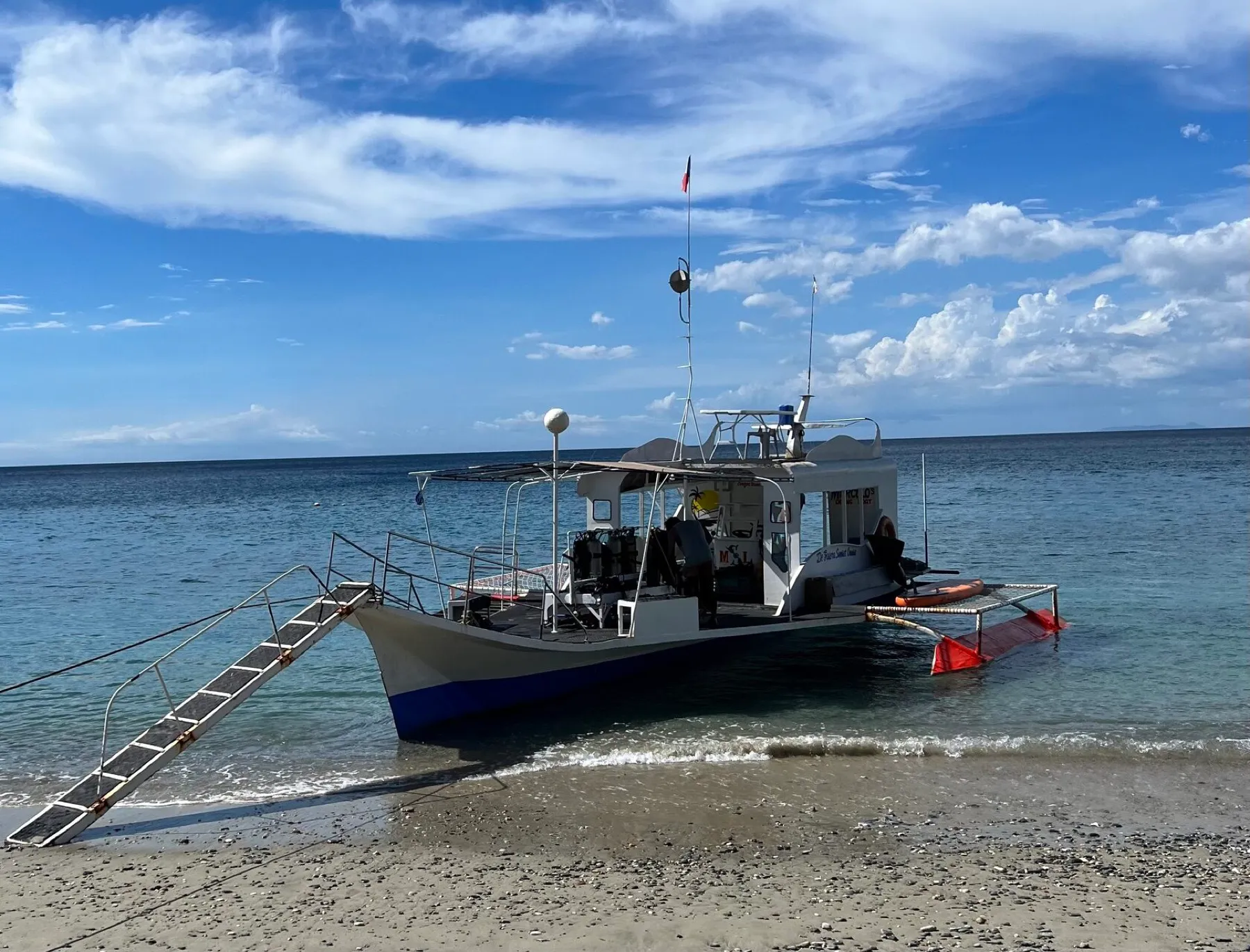
Boats. In its gale warnings PAGASA advises small vessels, including motorized bancas, to stay in port 7. A banca is the outrigger boat you see everywhere here, and our dive boat is one too. On days like that the boats between Batangas and Mindoro may be delayed as well, and dives move to the next day.
Hotels and dives with us. We book dives and rooms at Tamaraw and Sunset at Aninuan with no prepayment, on a copy of your flight ticket. If your flight moves, just send us the new dates. Infinity and AV Suites only hold a room after a 50% prepayment, so ask us before you book what happens to that prepayment if your trip moves.
Insurance. Before you buy a policy, check that it covers cancelled and delayed flights, and diving itself. We suggest a sum insured of at least $50,000.
How to plan a dive trip in typhoon season without losing your holiday
January to April has the fewest typhoons, but we dive from July to October too, and the rain doesn't stop the diving. Just leave yourself some slack in case of a storm:
- Don't book your flight home for the day you leave Mindoro. If the boats don't run, a spare day in Manila means you won't have to change your ticket.
- Two or three days before you fly, open the PAGASA bulletins and check whether Oriental Mindoro has a signal.
- Once you've bought your tickets, send us a copy. We'll hold your dives and room, and closer to the date we'll tell you what the weather's doing here.
- Not sure if you need a visa? See Do You Need a Visa for the Philippines and What to Show at the Border.
A typhoon in the Philippines is possible in summer and autumn, but it rarely reaches Puerto Galera. A couple of free days in your plan protect your holiday from a cancelled flight or a boat waiting out a storm in port.
Sources
- PAGASA. Tropical Cyclone Information
- PAGASA. Annual Report on Philippine Tropical Cyclones 2022
- GMA News. Signal No. 1 up over parts of Luzon as Super Typhoon Rosal enters PAR
- PAGASA. Tropical Cyclone Bulletin
- PAGASA. Tropical Cyclone Wind Signal
- Cebu Pacific. How to Manage Your Disrupted Flight
- PAGASA. Gale Warning