


The Philippines in Summer: Should You Go in July, August or September?

Summer is the only time you can take a holiday: that's how your job works, or the kids are off school. And almost everything you read about the Philippines weather in August, July and September says the same thing: rainy season, typhoons. It's hard to tell if you'll get anything out of the trip besides rain on the window.
It's worth going, but the summer months aren't all alike. By the calendar of PAGASA, the country's weather service, all three fall in the rainy season, which runs from June to November 1. Deluna is a dive center in Puerto Galera, on the island of Mindoro, and here July is one of the best times of year to dive: warm, usually a calm sea, not many tourists. August and September are wetter, with more downpours and cloudy days, but the rain doesn't stop the diving. And September in the Philippines is also the most humid month of the year. The water is warm all summer, warmest in June and July.
Philippines weather in July: why do we recommend it?
Because July in Puerto Galera usually feels like the good season. In our experience, from the second half of May through July it's warm here, without strong wind or waves, the water's warm and you can see a long way underwater. It rains in July too, but it rarely gets in the way of diving.
Officially, July is already the middle of the rainy season. This year PAGASA declared the start of the rainy season in the west of the country in early June and its end in early October [2, 3], so July, August and September all fell inside it. But the weather service's calendar covers the whole country, and around Puerto Galera, in our experience, July is drier and calmer than August and September more often than not.
Philippines weather in August: how many days will the rain take?
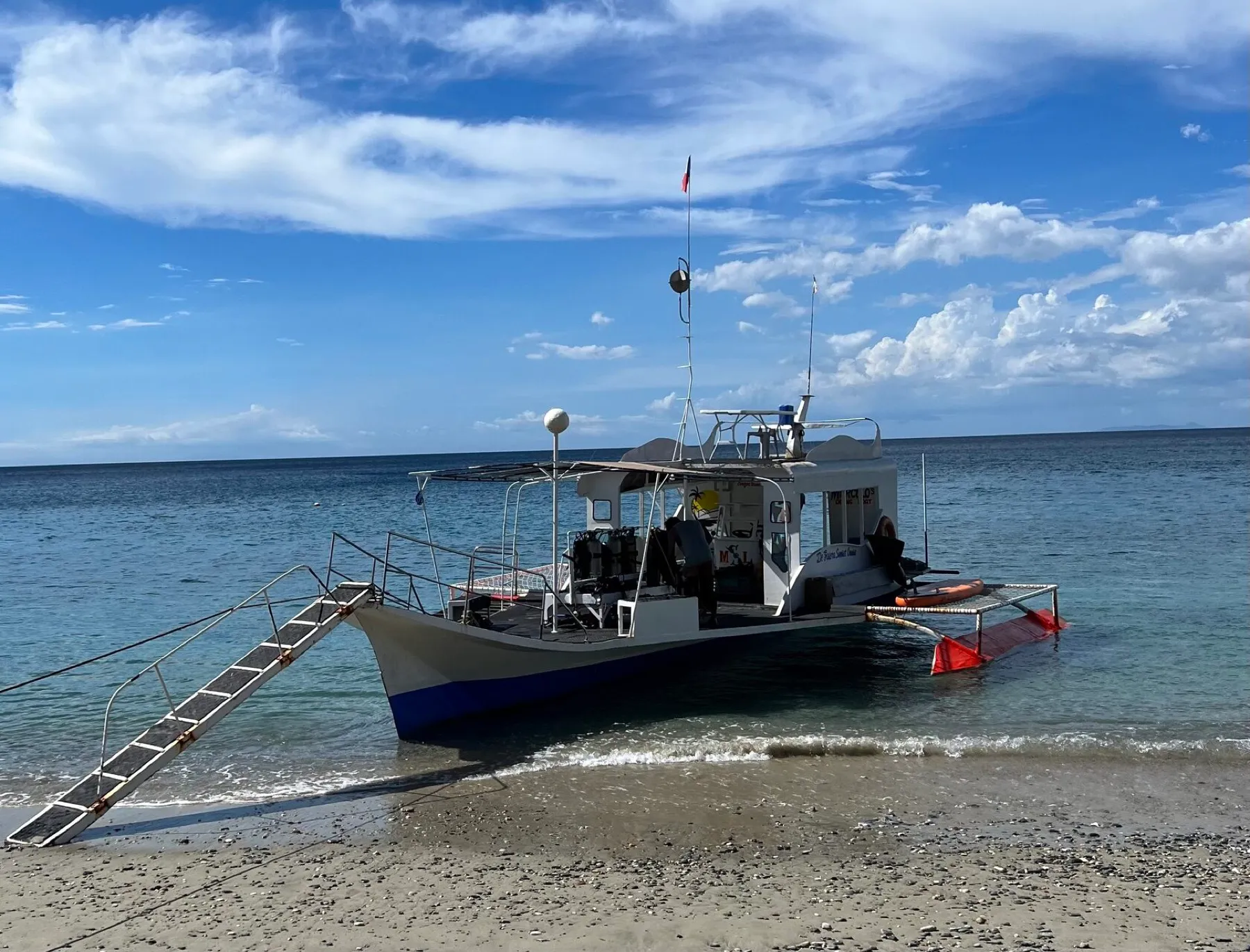
That's down to luck. August here varies a lot from year to year. Some years it rains almost only at night, the days are dry and clear, and you get just a few heavy downpours all month. Other years bring grey spells when the sky stays overcast and the downpours come during the day too. We still head out to dive: at depth you can't feel the rain. The bancas stay at the pier when PAGASA puts out a gale warning, which tells motor boats like ours to keep to port 5.
Philippines weather in September: what's it like, and is it worth going?
Yes, if you're fine with a couple of grey days. September in Puerto Galera varies, but in our experience it's more often decent than not: when it rains, it doesn't last long, for example just at night. One recent year we had no rain at all in September.
The air is at its most humid of the year in September: according to PAGASA, average humidity in the Philippines reaches 85% this month 1. In the heat that makes the air feel heavier, so pack light clothes and bring water on the boat.
What if a typhoon comes in summer?
It can happen: PAGASA puts the peak of typhoon season at July to October 4. But in our experience they seldom get as far as Mindoro; the southeast of the country usually bears the brunt. Far more often summer just brings days of heavy rain, and rain doesn't stop the diving.
How to follow storms, what the wind signals mean, and what to do if your flight is cancelled or the boat doesn't go out: all of that is in our main article, Typhoons in the Philippines: Which Months, and What Happens to Your Trip.
How warm is the water in summer, and do I need a wetsuit?
Warm enough that you won't need a thick wetsuit. From our readings over the last 7 years, the water around Puerto Galera runs 26 to 32°C from July to September. In summer a lot of people dive in shorts and a rash guard, a thin, tight top that protects from sun and scrapes, or in a 3 mm wetsuit. Readings for each month are on our water temperature chart.
Is visibility worse in summer?
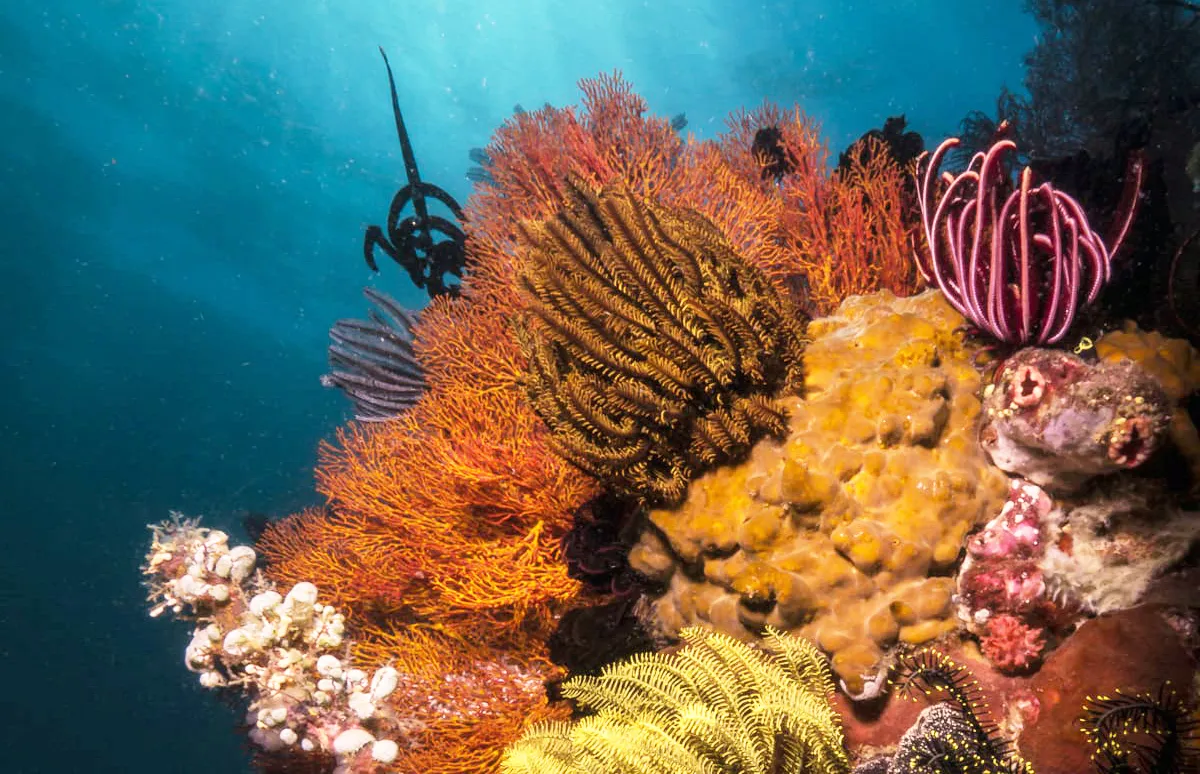
Sometimes, but not for long and not at every dive site. Visibility, meaning how far you can see underwater, doesn't depend much on the season here. In summer two things bring it down. After heavy rain, rivers wash silt into the sea and the water clouds up near their mouths. And in the warm months there's more plankton in the water, tiny plants and animals that make the water less clear but draw a lot of marine life to the reef.
When the water clouds up at one dive site, we take the group to another part of Puerto Galera where it's usually clearer.
How to plan a summer trip to the Philippines
In our experience July is the calmest of the summer months, but August and September work too: we dive all year round, and the rain doesn't stop the diving. A few things to keep in mind:
- Book your flight home for no earlier than the day after you leave Mindoro. If PAGASA issues a gale warning, the crossing to Batangas port can be delayed, so don't count on making it on the day you fly.
- As at any time of year, we book your dives from a copy of your flight ticket, with nothing to pay up front. We also hold a room at Tamaraw or Sunset at Aninuan with no prepayment, while Infinity and AV Suites ask for half the price in advance. Message us a couple of days before you fly, and we'll tell you what the weather and the sea are doing.
- Check whether you need a visa: there's a separate article on that.
If you've never been scuba diving, summer is a good time to start with a first scuba dive. The whole thing takes two to three hours: an instructor shows you the basic skills in the pool, then you dive the reef together. Gear is included in the price. For the rest of the rainy season months, see Rainy Season in the Philippines: When It Rains and Whether You Can Dive.
Summer in the Philippines means a warm sea and fewer tourists than in spring. July in Puerto Galera is usually the calmest, and August and September bring more rain, but we keep diving.
Start here: Typhoons in the Philippines: Which Months, and What Happens to Your Trip