


Apo Reef: How to Get There and What You'll See Underwater

Ask around about the best diving in the Philippines and Apo Reef comes up almost every time. But look at the map and there's no town or airport next to it, just three small islands in open sea west of Mindoro. So how do you get there, and is Apo Reef diving worth a few days of your holiday?
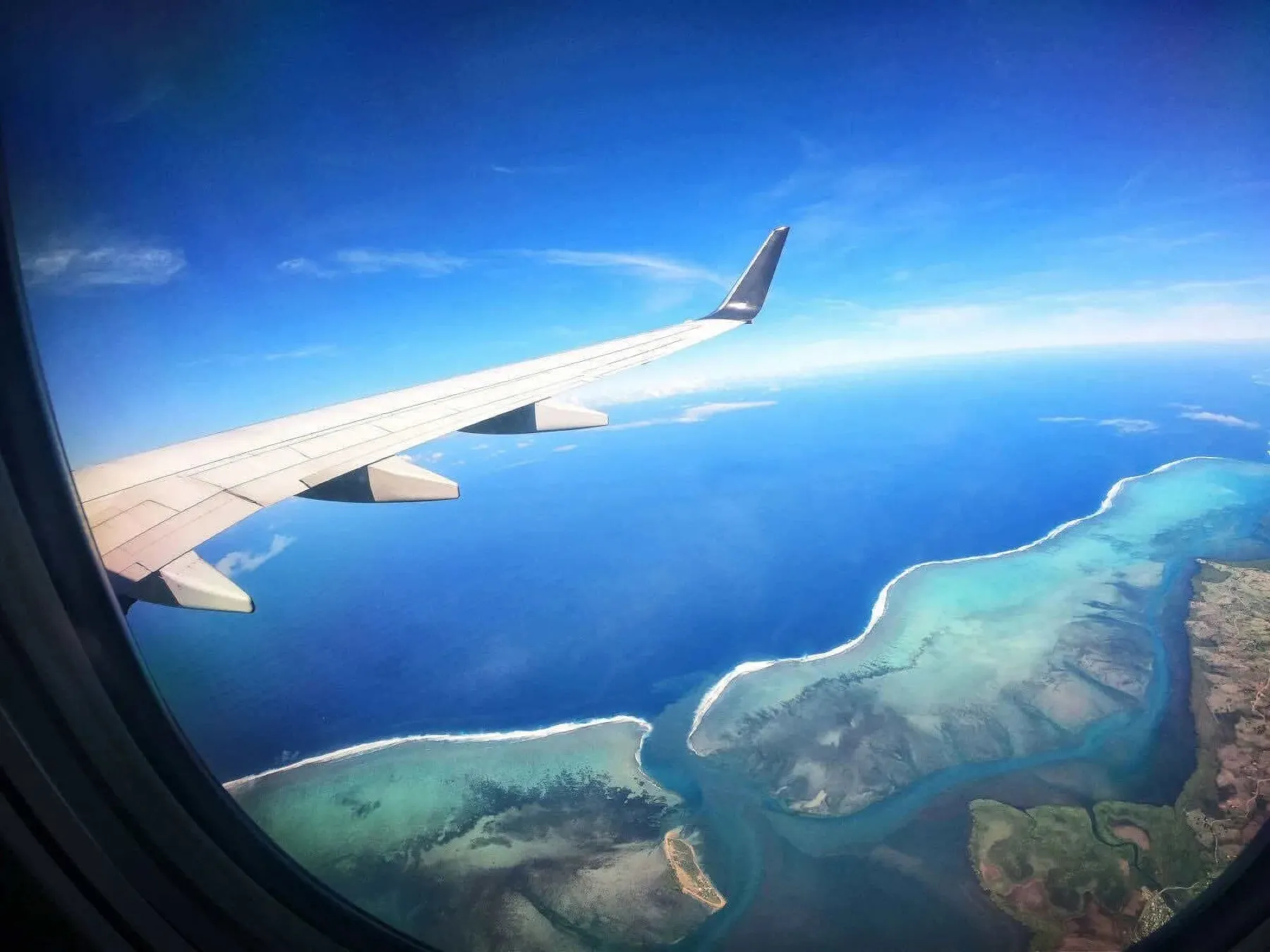
Apo Reef is the biggest coral reef in the Philippines and one of the largest in the world. It sits in open water off the west coast of Mindoro. Boats leave from the town of Sablayan, and the ride out takes about two hours. Divers here see reef sharks, turtles and hundreds of fish species. Deluna is the only dive center in Puerto Galera that runs trips to Apo Reef: travel, two nights and six dives, all in one 3-day tour.
What is Apo Reef, and why is it called the second-largest reef in the world?
That's how the Philippines describes it in its UNESCO submission: the second-largest contiguous coral reef in the world, after the Great Barrier Reef 1. Contiguous here means the whole reef sits on one submerged platform.
Almost all of the reef is underwater. It has two parts, north and south, each shaped like an atoll: a ring of reef around a shallow lagoon. Between them runs a channel up to 30 meters deep, with white sand on the bottom and small coral mounds 1. Above the water you see three islands. The biggest one, also called Apo, is covered in mangroves and beach vegetation. The second, Apo Menor, is rocky limestone with little vegetation. The third is a tiny coral islet with no plants at all.
The reef and the water around it are a protected area, Apo Reef Natural Park. The Philippines has put it on its tentative list for UNESCO World Heritage 1, and ASEAN, the association of Southeast Asian countries, has made it one of its heritage parks 2.
How do you get to Apo Reef from Puerto Galera?
You change transport twice, and the first day of the tour is travel until lunchtime. We leave at 7:30 in the morning from Aninuan Beach, where the Deluna dive center is. It's an hour and a half by boat to the town of Abra de Ilog, then about three hours by minivan to Sablayan.
In Sablayan we check into the hotel and get the gear ready for the next day's dives. Lunch and dinner that day aren't included. The evening is free: you can walk around Parola Park by the sea or ride the zipline.
Can you do Apo Reef as a day trip?
Not from Puerto Galera. One way takes more than six hours: a boat, a minivan and then another boat out to the reef. That's why we stay overnight on the way, in Sablayan and then on Apo Island itself. That way both days at the reef are all diving, three dives a day.
What will you see diving Apo Reef?
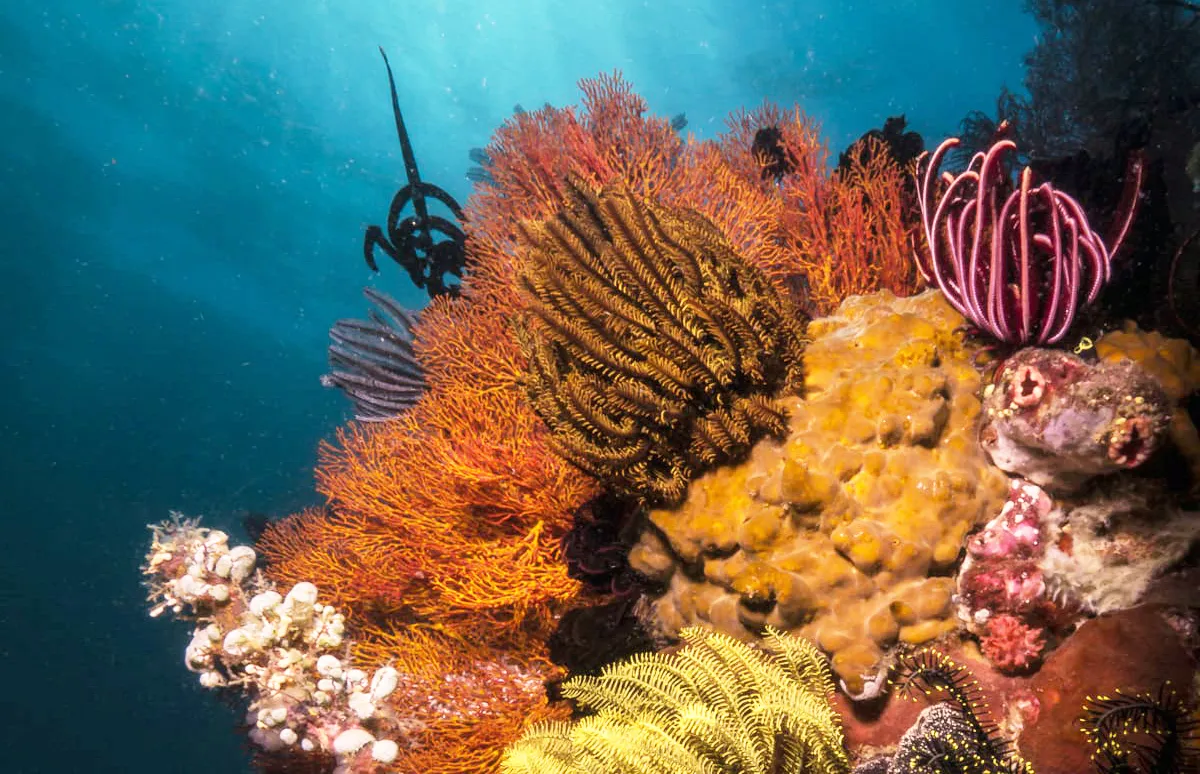
Sharks, first of all. Whitetip and grey reef sharks live here, two species that stay close to coral reefs. They're almost gone from the other Philippine reefs scientists surveyed. Global FinPrint, an international study, filmed reefs with baited underwater cameras. In Philippine waters sharks hardly ever showed up on camera, except in two large protected parks: Tubbataha and Apo 3.
The park has more than 480 recorded fish species. There are sea turtles too, both green turtles and hawksbills 2. You may also see mantas, whale sharks and hammerheads, but that's luck, and nobody can promise you one.
The reef doesn't stop at the depths divers can reach. Scientists surveyed the reef below 30 meters, partly with a camera robot, and found live coral and many fish species down there 4. We dive shallower than that, at normal recreational depths.
Why is there so much more life at Apo than on other reefs?
The park is big and has been protected for decades 1. Scientists from the University of the Philippines Marine Science Institute say that's why big animals are so common at Apo 4. The park has its own rangers 3, and the Marine Conservation Institute, an international organization, gave it a Platinum Blue Park Award, which goes to marine parks whose protection meets strict scientific standards 5.
How much experience do you need to dive Apo Reef?
The tour is for certified divers: it's six guided dives, with no try dives or courses included. An entry-level Open Water Diver (OWD) card is enough for Apo: it's the first certification level and lets you dive to 18 metres.
No certification yet? You can get one with us in Puerto Galera before the trip. How the course works and what the card lets you do is in our article on dive certification.
When is the best time to dive Apo Reef?
When the sea is calm. The boat crosses two hours of open water to reach the reef, so the weather matters more for this trip than for dives near the shore. Ask us when the next groups are going. How the weather on Mindoro changes from month to month is in our article on the best time to dive the Philippines.
What are the dive days at Apo Reef like?
On day two of the tour we have breakfast at the hotel and head out by boat at 7:30. Three dives, with lunch and snacks on the boat in between. In the evening we land on Apo Island, have dinner and sleep in tents. The island is ringed by mangroves, and inside there's a shallow lagoon where migratory birds stop 2.
Day three starts with breakfast on the island and three more dives. After lunch on the boat we head back to Sablayan. At about 3 p.m. we get in the minivan to Abra de Ilog, then switch to the boat, with a snack on board. We're back on Aninuan Beach at around 7:30 p.m.
Who is the Apo Reef trip for?
Divers who are already certified and can set aside three days for the trip. Apo Reef is the biggest reef in the Philippines and one of the few places in the country where you can still see reef sharks. It's a long trip, but we sort out the transfers, accommodation, food and dives.
Send us the dates you're planning and your certification level, and we'll tell you when the next Apo group goes out.
Sources
- UNESCO World Heritage Centre. Apo Reef Natural Park, Philippines tentative list, DENR submission 2006
- ASEAN Centre for Biodiversity. ASEAN Heritage Parks: Apo Reef Natural Park
- LAMAVE. Global study on reef sharks
- DOST-PCAARRD. Surveys in Apo Reef reveal high biodiversity of fish, corals and megafauna in the twilight zone
- ASEAN Clearing House Mechanism. Two parks in ASEAN receive prestigious marine biodiversity award